OCTG Comprehensive Guide: Definition, Classification and Application of Oil Casing Products-2026

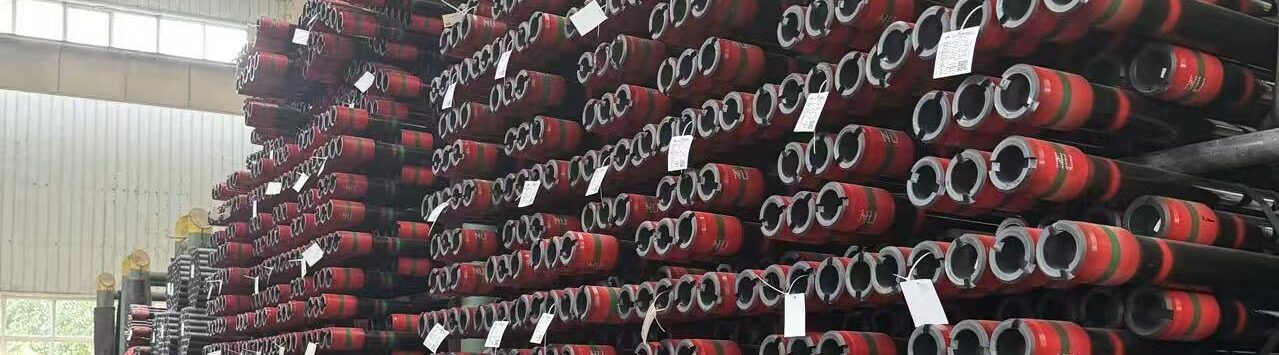
OCTG, short for Oil Country Tubular Goods, refers to the family of steel tubular products used in the drilling, completion, and production of oil and gas wells. By definition, OCTG encompasses three primary product categories — casing, tubing, and drill pipe — each serving a critical function in maintaining well integrity and enabling hydrocarbon extraction. With the global OCTG market valued at over USD 28 billion and projected to grow steadily alongside rising energy demand, understanding these products is essential for procurement professionals and engineers alike. In this guide, we’ll break down the meaning of OCTG, explore each product type in detail, and provide practical selection criteria for your next project.
What Is OCTG?
OCTG’s full English name and standard definition
The acronym OCTG stands for Oil Country Tubular Goods — a term deeply rooted in the petroleum industry’s heritage. Breaking it down word by word reveals exactly what these products are:
Oil Country Tubular Goods
Oil Country
“O · C” in OCTG
Historically refers to oil-producing regions and, by extension, the oilfield environment where these products operate. It signals that these tubulars are purpose-built for the demanding conditions found in drilling and production operations.
Tubular
“T” in OCTG
Describes the cylindrical, hollow shape of the products. Unlike flat-rolled steel or structural beams, OCTG products are seamless or welded tubes engineered to withstand extreme downhole pressures and temperatures.
Goods
“G” in OCTG
Simply denotes manufactured products or commodities, emphasizing that OCTG is a tradeable product category within the broader steel supply chain — bought, sold, and specified to international standards.
In terms of industry standards, the American Petroleum Institute (API) provides the most widely recognized framework for OCTG classification. API Specification 5CT (Casing and Tubing) defines the technical requirements — including steel grades, mechanical properties, dimensions, and threading specifications — for casing and tubing used in oil and gas wells. Meanwhile, API Specification 5DP covers drill pipe standards separately.
On the international level, the ISO 11960 standard mirrors much of API 5CT’s content and serves as the global reference for OCTG manufacturing and quality assurance. Together, these standards ensure that every OCTG product — whether manufactured in China, the United States, or Europe — meets a uniform set of performance and safety benchmarks critical to well integrity.
The Role of OCTG in the Oil & Gas Industry
OCTG products form the structural backbone of every oil and gas well. From the moment a drill bit penetrates the surface to the final years of production, casing, tubing, and drill pipe work together to ensure well integrity, pressure containment, and safe hydrocarbon flow. Without reliable OCTG, modern drilling and production operations simply could not function.
Drilling Phase
Drill pipe transmits rotational torque and drilling fluid to the bit, while casing strings are set at progressive depths to stabilize the borehole and isolate geological formations. Each casing size is selected to withstand the collapse pressures and tensile loads encountered at that interval.
Completion Phase
Once drilling reaches total depth, production casing and tubing are run and cemented in place. Tubing serves as the primary conduit through which hydrocarbons travel to the surface, engineered to handle corrosive fluids, high temperatures, and sustained internal pressure.
Production Phase
Throughout the productive life of a well — often spanning decades — OCTG must resist ongoing corrosion, erosion, and cyclic loading. Casing maintains zonal isolation to protect freshwater aquifers, while tubing withstands the chemical aggression of produced fluids containing H₂S and CO₂.
The demands placed on OCTG vary significantly depending on the operating environment. Key application scenarios in the oil and gas sector include:
Each of these environments imposes distinct mechanical and metallurgical requirements — from the high collapse resistance needed in deepwater wells to the stringent sour-service grades demanded in H₂S-rich reservoirs. Selecting the right OCTG grade, wall thickness, and connection type is critical to well safety, operational efficiency, and long-term asset value. As exploration pushes into more challenging frontiers, the role of high-performance OCTG in the oil and gas industry continues to grow.
OCTG vs. Regular Steel Pipe — What’s the Difference?
At first glance, OCTG casing and tubing may look similar to standard carbon steel pipe used in plumbing or structural applications. However, the two are engineered for fundamentally different purposes. OCTG products must survive extreme downhole environments — high pressures, corrosive gases, elevated temperatures, and massive mechanical loads — where a failure can mean a costly blowout or environmental disaster. This demands a far higher level of material quality, dimensional precision, and connection integrity than ordinary pipe.
| Feature | Regular Steel Pipe | OCTG (Casing & Tubing) |
|---|---|---|
| Primary Use | Water, gas distribution, structural support, fencing | Oil & gas well construction — drilling, completion, production |
| Material Grades | Basic carbon steel (A53, A106) | API 5CT grades (J55, K55, N80, L80, P110, Q125) with strict chemical limits on C, Mn, S, P |
| Yield Strength | Typically 30–35 ksi | 55–125+ ksi, engineered for collapse, burst, and tensile loads |
| Pressure Rating | Low–moderate; rated for surface pressures | High-pressure rated; must withstand thousands of psi downhole |
| Connections | Plain end, beveled, or standard NPT threads | API buttress (BTC), short/long round threads (STC/LTC), or premium gas-tight connections |
| Wall Tolerance | Standard commercial tolerances | Tight OD/ID tolerances per API 5CT; drift-tested to guarantee tool passage |
| Testing & Inspection | Basic hydrostatic test | Hydrostatic, ultrasonic, electromagnetic, and full-body NDT; heat & lot traceability |
| Corrosion Resistance | Not rated for H₂S or CO₂ service | Sour-service grades (L80, C90, T95) per NACE MR0175 / ISO 15156 |
| Standards | ASTM A53 / A106 | API 5CT, API 5B, ISO 11960 |
Material & Metallurgy
OCTG steels undergo controlled heat treatment — quench and temper or normalizing — to achieve precise yield and tensile ranges. Harmful elements like sulfur and phosphorus are held to much tighter limits than in commercial pipe, ensuring consistent impact toughness at low temperatures.
Pressure Performance
Every OCTG product is designed against three load cases — burst (internal pressure), collapse (external pressure), and tension (hanging weight). Regular pipe is rated only for low-pressure surface use, making it unsuitable for any downhole application.
Threaded Connections
OCTG threads are precision-machined to API 5B or proprietary premium specifications, providing gas-tight metal-to-metal seals. Standard pipe threads (NPT) rely on tape or compound and cannot maintain integrity under the torque, vibration, and pressure cycling found in wells.
In short, OCTG is not simply a heavier or thicker version of ordinary steel pipe. It is a precision-engineered, rigorously tested product category with material, dimensional, and connection requirements that exist specifically to ensure well integrity and operational safety in the oil and gas industry.
Three Core OCTG Pipe Products
Every oil and gas well relies on three types of OCTG pipe — each serving a distinct structural and functional role from the surface to total depth. Understanding how casing, tubing, and drill pipe work together is essential for specifying the right products for any well program.
01
Casing
OCTG Casing PipeCasing is the structural backbone of the well. Multiple strings — conductor, surface, intermediate, and production casing — are run at progressively smaller diameters and cemented in place to stabilize the borehole, prevent formation collapse, isolate water-bearing zones, and contain well pressure.
- OD Range4-1/2″ – 20″
- Common GradesJ55, K55, N80, L80, P110
- ConnectionsSTC, LTC, BTC, Premium
- StandardAPI 5CT / ISO 11960
02
Tubing
Oil Well TubingTubing is the conduit through which oil and gas flow from the producing formation to the surface. Suspended inside the production casing by a packer, tubing must resist corrosion from produced fluids (H₂S, CO₂, brine), withstand high temperatures, and maintain gas-tight seal integrity throughout the well’s productive life.
- OD Range1.050″ – 4-1/2″
- Common GradesJ55, L80, N80, P110
- ConnectionsEUE, NUE, Premium
- StandardAPI 5CT / ISO 11960
03
Drill Pipe
OCTG Drill String ComponentDrill pipe transmits rotational torque from the surface rig to the drill bit and channels drilling fluid (mud) downhole to cool the bit and carry cuttings to surface. Unlike casing and tubing — which remain permanently in the well — drill pipe is retrievable and reused across multiple wells.
- OD Range2-3/8″ – 6-5/8″
- Common GradesE75, X95, G105, S135
- ConnectionsAPI IF, FH, NC, XT
- StandardAPI 5DP / ISO 11961
Procurement GuideHow to Choose the Right OCTG Products
Selecting the correct OCTG casing and tubing involves more than picking a size. Well depth, formation chemistry, pressure regime, and connection requirements all influence which steel casing pipe and oil well casing grades will perform safely over the life of the well. This guide walks through the five key decisions every buyer should evaluate.
1
Select the Steel Grade Based on Well Depth & Formation Conditions
Different well depths impose different mechanical loads — collapse pressure from surrounding formations, burst pressure from internal fluids, and tensile stress from the hanging weight of the string itself. The deeper and more complex the well, the higher the steel grade required.
| Well Depth | Typical Conditions | Recommended Grades |
|---|---|---|
| Shallow (< 6,000 ft) | Low pressure, stable formations | J55K55 |
| Medium (6,000–12,000 ft) | Moderate pressure, possible salt zones | N80L80 |
| Deep (12,000–18,000 ft) | High pressure, high temperature (HPHT) | P110Q125 |
| Ultra-deep (> 18,000 ft) | Extreme loads, complex geology | Q125140 ksi+ |
2
Choose the Right Material Based on Corrosion Environment
Produced fluids often contain corrosive agents — hydrogen sulfide (H₂S), carbon dioxide (CO₂), chlorides, and brine — that can cause sulfide stress cracking, pitting, or general wall loss. Matching the material to the corrosion environment is critical for well integrity and service life.
Standard
Carbon Steel
Suitable for sweet (non-sour) wells with low CO₂ and no H₂S. Cost-effective for most onshore conventional wells. Grades: J55, N80, P110.
Sour Service
Alloy Steel
Required when H₂S is present. Hardness-controlled grades (L80, C90, T95) per NACE MR0175 resist sulfide stress cracking in sour environments.
Severe Corrosion
CRA (Corrosion-Resistant Alloy)
For high-CO₂, high-chloride, or combined sour/acidic conditions. 13Cr, Super 13Cr, duplex (22Cr/25Cr), and nickel alloys offer superior resistance.
3
Specify the Thread Connection Type
The connection is often the weakest link in the string. Choosing the right thread profile ensures leak-free performance under the expected combination of pressure, tension, bending, and thermal cycling in the well.
| Connection Type | Seal Mechanism | Best Suited For |
|---|---|---|
| STC / LTC | Thread compound seal | Low-pressure conventional wells; cost-sensitive projects |
| BTC (Buttress) | Thread-form interference | Higher collapse loads; intermediate and production casing |
| Premium / Proprietary | Metal-to-metal seal | Gas-tight applications; HPHT, offshore, sour service, ERD wells |
| EUE / NUE | Thread compound seal | Standard tubing connections; EUE for higher-pressure wells |
4
Verify Supplier Certifications & Quality System
A reliable OCTG supplier should hold recognized industry certifications that demonstrate manufacturing capability, quality control, and traceability. Always verify these credentials before placing an order — substandard pipe can compromise well integrity and safety.
- API 5CT License — manufacturer is certified to produce OCTG to API specification
- API 5B License — threading and gauging meet API standards
- ISO 9001 — quality management system in place
- ISO 14001 — environmental management compliance
- API Q1 / ISO/TS 29001 — petroleum-specific quality management
- Heat & lot traceability — full MTR (Mill Test Report) documentation per heat
5
Evaluate Supply Experience, Lead Time & Inspection
Beyond product quality, practical supply-chain factors often determine whether a project stays on schedule. Assess these operational capabilities when shortlisting OCTG suppliers.
Track Record
Project Experience
Has the supplier delivered to similar well programs — same region, same grades, same volumes? Ask for reference projects and end-user approvals from major operators.
Logistics
Lead Time & Stock
Confirm standard lead times for made-to-order versus ex-stock availability. A supplier with strategic inventory in key sizes (e.g. 9-5/8″, 7″, 5-1/2″ casing) can respond faster to urgent well requirements.
Quality Assurance
Third-Party Inspection (TPI)
Reputable suppliers welcome independent inspection by agencies such as SGS, Bureau Veritas, or TÜV. Ensure the supplier can provide TPI reports covering dimensional checks, NDT, hydrostatic testing, and material verification.
Documentation
Mill Test Reports & Certificates
Every shipment should include EN 10204 3.1 / 3.2 inspection certificates, full MTRs with chemical and mechanical results, and marking/stenciling that matches the paperwork and API requirements.
OCTG Pipe Loading Protection Methods-Step by Step
OCTG pipe loading protection usually means preventing thread, body, coating, and end damage while casing/tubing/drill pipe is loaded onto trucks, trailers, containers, barges, or pipe racks. OCTG handling is typically governed by API RP 5C1 for care/use, transportation, storage, handling, and reconditioning of casing and tubing, while API Spec 5CT covers casing/tubing requirements and thread protection references
Thread protection

Use correctly fitted pin and box thread protectors on every joint before loading. A thread protector is a cap or insert used to protect threads and seals during handling, transportation, and storage.
For premium connections and premium grade, keep protectors installed until inspection/running preparation.
Pipe body protection

Use timber, rubber-lined, or polymer dunnage between pipe and steel surfaces. Avoid metal-to-metal contact with trailer beds, forklifts, chains, or rack beams.
Layer separation&Chocking and restraint

Use properly spaced separators between each layer. Pipes should not rub, roll, or impact each other during loading or transit.Use pipe chocks, wedges, stanchions, side stakes, and suitable tie-downs. Do not over-tighten chains or straps to the point of denting, ovalizing, or damaging coated pipe.
Lifting method

Use wide web slings, padded hooks, or approved pipe-handling equipment. Avoid bare forks, wire ropes, chains, or hooks directly contacting the pipe body or threads.
End impact protection

For higher-risk moves, add bumper rings or end protectors, especially for premium connections or coated pipe. Class-rated heavy thread protectors are commonly used for axial and angular impact protection.
Inspection before release
Before dispatch, check: protector tightness, pipe count, heat/lot markings, coating condition, body dents, thread-end damage, banding/tie-down condition, and load stability.
SummaryWhy Choosing a Reliable OCTG Supplier Matters
Oil Country Tubular Goods are the most critical steel products in any oil and gas well. From surface to total depth, the right combination of OCTG casing, tubing, and drill pipe determines whether a well operates safely, efficiently, and profitably for decades — or fails prematurely.
OCTG Defined
OCTG — Oil Country Tubular Goods — is the purpose-built family of steel pipe products engineered exclusively for the demanding downhole conditions of drilling and production operations.
Three Core Products
Every well program specifies three types of OCTG pipe — casing to stabilize the borehole, tubing to transport hydrocarbons, and drill pipe to transmit torque and circulate fluid.
Quality Is Non-Negotiable
Grade selection, corrosion resistance, threaded connections, and supplier certifications must all align with well conditions. Substandard OCTG pipe risks blowouts, leaks, and costly remediation.
BSCO
Partner with BSCO — Your Trusted OCTG Supplier from China
When it comes to sourcing high-quality OCTG casing and tubing, BSCO stands out as a proven supplier with deep expertise in oil country tubular goods. Based in China, BSCO supplies a comprehensive range of OCTG pipe products — from standard J55 casing for shallow wells to premium P110 and Q125 grades for HPHT and deepwater applications — all manufactured under strict API-licensed quality control.
With a track record of delivering to oilfield projects across the Middle East, Southeast Asia, Africa, and South America, BSCO combines competitive pricing with the quality assurance international operators expect — including full Mill Test Reports, third-party inspection support from SGS or Bureau Veritas, and reliable on-time delivery.
Recommended casing grade by well depth
Frequently Asked Questions (FAQs)
OCTG stands for Oil Country Tubular Goods, a general term for steel pipes used in oil and gas drilling and production.
OCTG mainly includes three types of products: Casing, Tubing, and Drill Pipe.
Based on a comprehensive consideration of well depth, temperature, pressure, and media corrosivity, refer to the API 5CT standard to select the appropriate steel grade.
Casing is fixed to the wellbore to protect the well structure, while Tubing is inside the Casing and serves as a channel for oil and gas transportation, allowing for tripping and replacement.
Reference Sources
- Organization: American Petroleum Institute (API)
- Type: Industry Standard / Specification
- Publication Year: 2023, 11th Edition
- Citation Token: (API, 2023)
- Nofollow Link:https://www.api.org/products-and-services/standards/important-standards-announcements/spec5ct
- Organization: International Organization for Standardization (ISO)
- Type: International Standard
- Publication Year: 2020
- Citation Token: (ISO, 2020a)
- Nofollow Link:https://www.iso.org/standard/79658.html
- Organization: American Petroleum Institute (API)
- Type: Industry Standard / Specification
- Publication Year: 2020, 2nd Edition
- Citation Token: (API, 2020)
- Nofollow Link:https://www.api.org/-/media/Files/Certification/Monogram-APIQR/0_API-Monogram-APIQR/LIFs/API_5DP_Licensing_Information_Form_20240320.pdf